
How to Test for Mold in Your Home: A Complete Guide
How to test for mold in your home is one of the most important questions a homeowner can ask. Mold is a silent threat. It often grows in places you cannot easily see, spreading behind walls, under floors, and inside ceilings long before it becomes visible. By the time you notice a musty smell or dark discoloration, a mold colony may already be well established. If you have recently dealt with any kind of water intrusion, you should read about the connection between mold and water damage to understand just how quickly mold can take hold after moisture enters your home.
Testing for mold early gives you the power to act before a small problem becomes a costly and hazardous one. In this guide, we walk you through the warning signs of mold, the different methods available to test for it, and when it is time to bring in a professional to handle the job safely and thoroughly.
Why Testing for Mold Matters
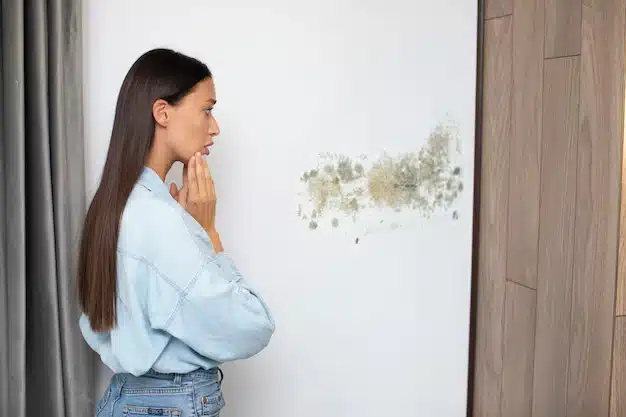
Mold spores are naturally present in the air both indoors and outdoors. The problem begins when those spores land on a damp surface inside your home and start to multiply. Once mold takes root, it can spread rapidly and penetrate porous materials like drywall, wood, and insulation. Left untreated, it can compromise the structural integrity of your home and pose serious health risks to everyone living inside.
Mold exposure can trigger a range of health symptoms including nasal congestion, coughing, wheezing, skin irritation, and eye redness. For people with asthma, allergies, or weakened immune systems, the effects can be significantly more severe. Testing your home helps you confirm whether mold is present, identify the type and extent of growth, and take the right steps to eliminate it.
Warning Signs That You May Have Mold
Before you begin testing, knowing what to look and smell for can save you time. Here are the most common signs that mold may be present in your home:
- A persistent musty or earthy odor, especially in enclosed spaces like closets, basements, or bathrooms.
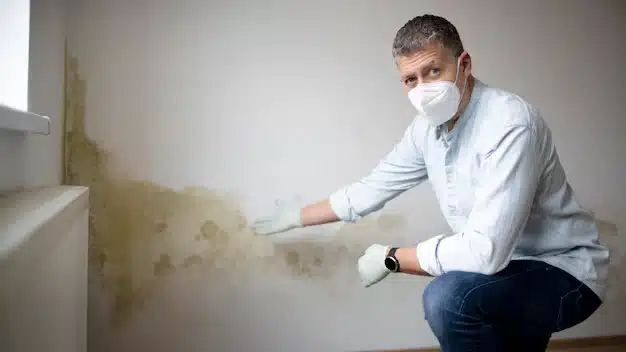
- Visible dark spots or patches on walls, ceilings, grout lines, or around windows that are black, green, gray, or brown.
- Peeling, bubbling, or warping paint or wallpaper, which can indicate moisture trapped behind surfaces.
- Water stains or discoloration on ceilings or walls from past leaks.
- Chronic allergy-like symptoms such as sneezing, runny nose, or itchy eyes that improve when you leave the house.
- A history of water damage, flooding, or plumbing leaks in your home.
If any of these signs are familiar, there is a good chance mold is already present somewhere in your home, even if you cannot see it yet.
How to Test for Mold in Your Home
There are several approaches to testing for mold, ranging from simple visual inspections to professional-grade air sampling. Below is a breakdown of each method so you can choose the right approach for your situation.
1. Visual Inspection
The first step in any mold testing process is a thorough visual inspection. Walk through your home and look closely at areas prone to moisture. Pay particular attention to:
- Bathroom walls, grout, and caulking around tubs and sinks.
- Under sinks and around toilets where small leaks often go unnoticed.
- Basements, crawl spaces, and attics where humidity tends to accumulate.
- Around windows and doors where condensation can collect.
- Behind refrigerators, washing machines, and water heaters.
- Any area that has experienced past water damage or flooding.
If you spot something suspicious, do not disturb it before testing. Disturbing visible mold can release spores into the air and spread the problem.
2. DIY Mold Test Kits
DIY mold test kits are widely available at hardware stores and online. These kits typically involve placing a petri dish with a growth medium in a suspected area for 48 to 96 hours. If mold is present, it will begin to grow on the dish and become visible. Some kits include a laboratory analysis service so you can send the sample in and receive a detailed report identifying the type of mold present.
While these kits are affordable and easy to use, they have limitations. A petri dish test can tell you whether mold spores are in the air, but it cannot accurately measure the concentration of spores, locate the source of the mold, or determine whether the levels are hazardous. In other words, a DIY kit is a useful starting point but should not be your only diagnostic tool if you suspect a serious problem.
3. Air Quality Testing
Air quality testing is a more accurate method of detecting mold. A professional mold inspector uses specialized equipment to collect air samples from different areas of your home. These samples are sent to a certified laboratory where technicians analyze the types and quantities of mold spores present in the air.
Air testing is particularly valuable when mold is suspected but not visible, such as when a musty odor is present but the source cannot be found. It provides a measurable baseline that helps professionals determine the severity of the issue and whether remediation is necessary.
4. Surface Swab Testing
Surface swab testing involves collecting a sample from a visible area of suspected mold using a sterile swab or tape strip. The sample is then sent to a laboratory for analysis. This method can identify the specific species of mold present, which is useful for assessing health risks and determining the correct remediation approach.
Surface testing is most effective when you already know where the mold is located. It confirms the identity of the growth but does not give you information about mold in areas you have not yet discovered.
5. Bulk or Material Sampling
For suspected mold inside walls, flooring, or other building materials, professionals may collect a bulk sample. This involves removing a small piece of the material and sending it to a lab for analysis. Bulk sampling gives a clear picture of whether mold has penetrated deep into a surface and how severe the infestation is within that material.
This method is typically used when a visual inspection reveals damage or discoloration that suggests the mold has grown beyond the surface layer.
When to Call a Professional for Mold Testing
DIY testing has its place, but there are situations where professional mold inspection is not just recommended but essential. The team at Rhino Restoration’s mold remediation service has the tools, training, and experience to locate hidden mold, accurately assess its extent, and develop a remediation plan that addresses the problem at its source.
You should contact a professional mold inspector if any of the following apply:
- You can smell mold but cannot locate a visible source.
- A DIY test came back positive and you need to understand the full extent of the problem.
- Your home has recently experienced flooding, a burst pipe, or significant water damage.
- Anyone in your household is experiencing unexplained health symptoms that improve when they leave the home.
- You are buying or selling a home and need a certified mold clearance inspection.
- Mold has returned after a previous DIY cleanup attempt.
Professional inspectors use advanced tools including thermal imaging cameras and moisture meters to detect hidden mold and moisture sources behind walls and under floors without needing to tear anything apart. This makes professional testing far more comprehensive than anything a DIY kit can offer.
What Happens After a Positive Mold Test?
If your test confirms the presence of mold, the next step depends on the size and severity of the affected area. Small surface patches on non-porous materials like tile or glass can sometimes be cleaned with an appropriate antifungal cleaner. However, any mold growth that covers more than 10 square feet, has penetrated porous materials, or is located in hard-to-reach areas like inside walls or in the crawl space should be handled by a licensed remediation professional.
Professional mold remediation involves containing the affected area to prevent spores from spreading, removing and disposing of contaminated materials safely, treating the affected surfaces with antimicrobial agents, and addressing the underlying moisture source to prevent regrowth. Once remediation is complete, a post-clearance test is usually performed to confirm that mold levels have returned to safe and normal levels.
Preventing Mold Before It Starts
The most effective strategy is to prevent mold from ever gaining a foothold in your home. Because mold requires moisture to grow, controlling indoor humidity is the single most important preventive measure you can take. Keep indoor humidity levels between 30 and 50 percent by using dehumidifiers in damp areas and ensuring your home is properly ventilated.
Fix leaks promptly, whether they involve plumbing, roofing, or windows. Dry any water-damaged areas within 24 to 48 hours. Use exhaust fans in bathrooms and kitchens during and after use. Inspect your crawl space, attic, and basement regularly for signs of moisture or condensation.
Routine maintenance and quick action after any water event are your best defenses against mold taking hold in your home.
Final Thoughts
Knowing how to test for mold in your home puts you in control of your living environment and your family’s health. Whether you start with a visual inspection, use a DIY test kit as an initial screen, or go straight to professional air quality testing, the important thing is that you act promptly and do not ignore the warning signs.
Mold is a problem that rarely gets better on its own. The sooner it is identified and addressed, the less damage it can do to your property and the people inside it. If you have concerns about mold in your Tampa area home, do not hesitate to reach out to a trusted restoration professional who can provide a thorough assessment and the right solution for your situation.
GET EXPERT HELP TODAY!

Rhino Restoration is committed to helping you recover after disasters, bringing your property back to normal with care and expertise. We provide a full range of restoration services to meet all your residential needs.
About
Contact
Copyright © 2024 Rhino Restoration