
Signs of hidden water damage in walls are easy to overlook until the problem becomes expensive. Water rarely announces itself with a dramatic flood. More often, it creeps behind drywall from a slow pipe leak, a roof issue, or failed caulking, and quietly destroys your home from the inside out.
By the time most homeowners notice something is wrong, the water has been at work for weeks or even months. That delay is what turns a simple pipe repair into a project involving mold remediation, new drywall, and insulation replacement. We covered the basics in our post on warning signs of water damage in walls, and this guide goes deeper into the hidden clues.
Below, we break down every sign to watch for, how to confirm your suspicions, and what to do the moment you find evidence of trouble.
Why Signs of Hidden Water Damage in Walls Are So Easy to Miss
Walls and ceilings are designed to hide everything behind them. Pipes, wiring, insulation, and framing all sit out of sight, which means leaks stay out of sight too.
A supply line can drip inside a wall cavity for months without a single drop reaching the floor. The water soaks into the back of the drywall, the wooden studs, and the insulation instead. Everything looks fine from your side of the wall.
Florida homes face extra risk. Our humidity keeps materials from drying out between leaks, and our storm season sends wind driven rain into tiny gaps around windows, roofs, and siding. Learning the signs of hidden water damage in walls is the only way to catch these problems while they are still small.
Visual Signs to Look For
Your eyes will catch most hidden leaks if you know what to look for. Walk each room slowly and check for these clues:
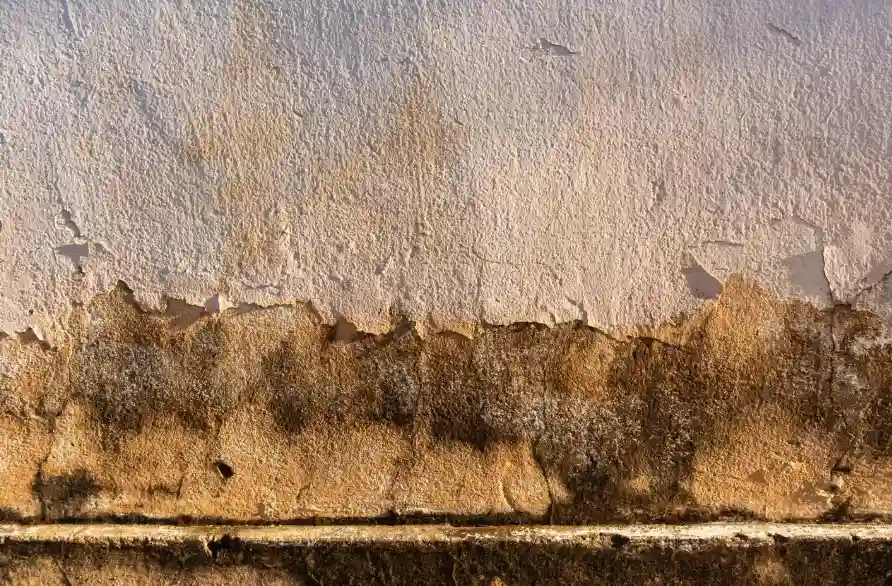
- Stains and discoloration. Yellow, brown, or copper colored patches on walls or ceilings almost always trace back to water. Even faint shadows count.
- Peeling or bubbling paint. Moisture pushes paint and wallpaper away from the surface as it evaporates through the wall.
- Streaks or drip marks. Vertical lines running down a wall suggest water traveling from above, often from a roof or upstairs bathroom.
- Mold spots. Small black, green, or gray specks near baseboards, corners, or ceiling edges mean moisture has been present long enough for growth to start.
One stain might seem minor. But stains grow rings over time, and a spreading ring means an active leak, not an old one. Visual clues like these are the most common signs of hidden water damage in walls, so make a habit of scanning ceilings and wall surfaces whenever you clean each room.
Texture and Structural Changes
Water changes how materials feel and behave. These physical signs of hidden water damage in walls often show up before anything is visible:
- Soft or spongy drywall. Press gently on suspect areas. Healthy drywall is firm, while saturated drywall gives under light pressure.
- Warping or bulging. Walls should be flat. Any bowing, swelling, or rippling means the material behind has absorbed water.
- Sagging ceilings. A ceiling that dips or bellies is holding water weight and can eventually collapse.
- Crumbling baseboards or trim. Wood trim swells, separates from the wall, or flakes when the wall behind it stays damp.
- Sticking doors and windows. Frames swollen by moisture stop closing smoothly, especially near bathrooms and exterior walls.
Cracked drywall seams and nail heads pushing through paint are two more subtle hints. Both happen when wet framing swells and shifts.
Smells and Air Quality Clues
Sometimes your nose finds the leak before your eyes do. A persistent musty, earthy odor is one of the most reliable signs of hidden water damage in walls, because that smell comes from mold and mildew actively growing in damp cavities.
Pay attention to where the smell is strongest. An odor concentrated in one room, one closet, or near one wall points you toward the source.
Health symptoms can be a clue too. If someone in your home deals with unexplained sneezing, coughing, itchy eyes, or headaches that improve when they leave the house, hidden mold from a wall leak is a possible cause.
Humidity behaves differently in a room with a wall leak. If one bedroom always feels damp, or windows in one area fog up more than the rest of the house, moisture is likely escaping from somewhere inside the walls.
Sounds and Utility Bill Warnings
A few signs have nothing to do with the wall surface at all:
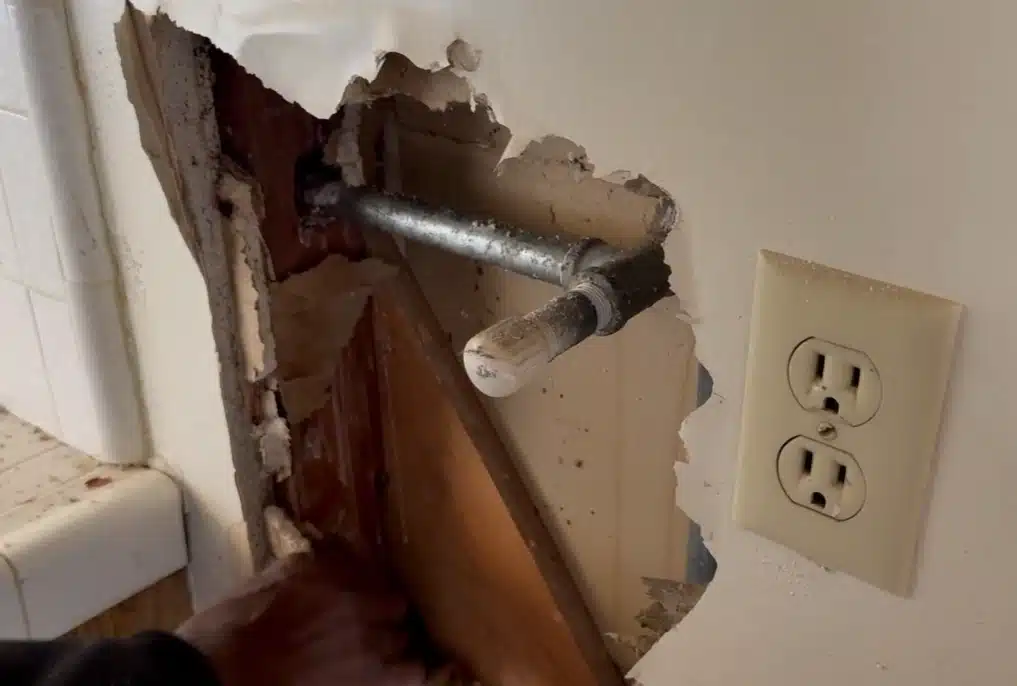
- Dripping or trickling sounds. Water noises inside a wall when no fixtures are running mean a supply line is leaking.
- Running water sounds at night. Quiet hours make small leaks easier to hear.
- A spinning water meter. Turn off every fixture and appliance, then check your meter. If it keeps moving, water is escaping somewhere.
- Rising water bills. An unexplained jump in usage often reveals a hidden leak weeks before any physical evidence appears.
These clues are valuable because they confirm active water flow. A stain tells you water was there. A moving meter tells you water is there right now.
How to Confirm Hidden Water Damage
Suspecting a leak is one thing. Confirming it without tearing your wall apart is another. Here is how the pros do it:
- Moisture meters measure the water content inside drywall and wood without cutting anything open.
- Thermal imaging cameras reveal cold, damp areas behind walls that look completely dry on the surface.
- Hygrometers track humidity levels room by room to flag spaces holding excess moisture.
A professional water damage assessment combines all three tools to map exactly where the water is, where it came from, and how far it has spread. That map matters, because treating one wet spot while missing three others just restarts the problem.
If you prefer to check first yourself, an inexpensive moisture meter from a hardware store can give you a rough reading. Just know that consumer tools miss deeper saturation that professional equipment catches. When the signs of hidden water damage in walls are subtle or scattered across multiple rooms, professional detection is worth every penny, because guessing wrong means opening the wrong wall.
What Happens If You Ignore the Signs
Hidden water damage never fixes itself. Left alone, the timeline looks like this:
- Within 48 hours, mold begins growing inside the wall cavity.
- Within weeks, drywall softens, insulation compresses and loses effectiveness, and odors spread through the home.
- Within months, wooden studs and framing begin to rot, threatening structural integrity.
- Over time, repair costs multiply from a few hundred dollars to many thousands, and insurance coverage becomes harder to secure since carriers often exclude long term leaks as neglect.
There is an electrical risk too. Water and wiring share the same wall cavities, and moisture around outlets or junction boxes creates a genuine fire and shock hazard. If you ever notice warm discolored outlets, flickering lights, or breakers tripping near a suspected wet wall, shut off power to that circuit and get help right away.
What to Do When You Find the Signs
Found one or more signs of hidden water damage in walls? Act the same day. Here is the order of operations:
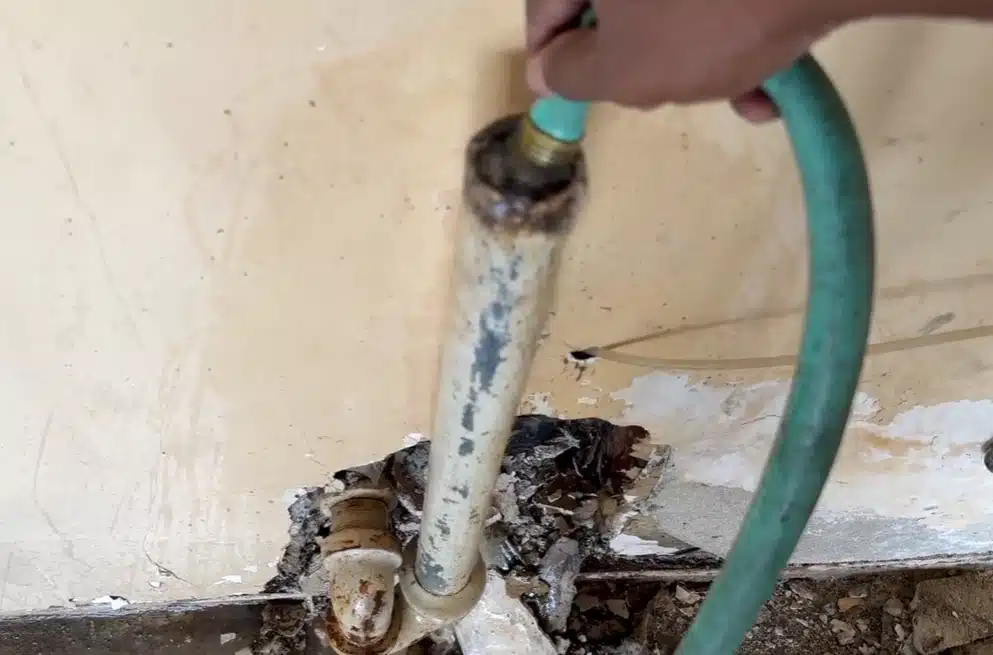
- Stop the water. Shut off the supply valve to the suspected fixture, or the main valve if you cannot isolate the source.
- Document everything. Photograph stains, warping, and any visible moisture for your insurance claim before touching anything.
- Get a professional assessment. Confirm the full extent of the moisture before repairs begin.
- Dry the structure completely. Professional drying with air movers and dehumidifiers prevents mold and saves materials that would otherwise be torn out.
- Repair the source. Fix the pipe, roof, or seal that caused the problem so the damage never returns.
Notice that painting over the stain is not on this list. Covering a water stain without fixing the leak just hides the evidence while the damage continues.
When to Call a Professional
Some situations call for expert help immediately. Contact a restoration company if you notice sagging ceilings, spreading stains, visible mold, a musty odor you cannot trace, or a water meter that will not stop moving.
Professionals do more than find the leak. They dry the wall cavity from the inside, treat surfaces against mold, verify dryness with instrument readings, and document everything for your insurance company.
Speed is the whole game with hidden leaks. Every additional day of moisture means more mold, more material loss, and a bigger repair bill.
Homeowners sometimes hesitate to call because they are not completely sure anything is wrong. That hesitation is understandable, but the signs of hidden water damage in walls rarely appear without a real cause. A quick inspection either confirms the problem early or gives you genuine peace of mind, and both outcomes beat waiting.
Final Thoughts
The signs of hidden water damage in walls range from obvious stains to subtle clues like sticking doors, musty smells, and rising water bills. Trust the small signals. Water damage caught in week one is a repair, while water damage caught in month three is a renovation.
If you suspect a hidden leak anywhere in the Tampa Bay area, Rhino Restoration can inspect your home with professional moisture detection equipment and give you a clear answer, usually within a single visit. Our team handles everything from leak detection and structural drying to mold remediation and full rebuilds. Contact us today and find out what is really happening behind your walls.
Frequently Asked Questions
How can you tell if there is water damage inside a wall?
Look for stains, peeling paint, warping, soft drywall, musty odors, and mold spots near baseboards. Listen for dripping sounds when no water is running, and check your water meter with all fixtures off. A professional moisture meter or thermal imaging scan can confirm dampness without opening the wall.
How long can water damage stay hidden in walls?
Weeks to months. Slow leaks inside wall cavities often go unnoticed until stains appear, odors develop, or bills rise. Mold typically starts growing within 24 to 48 hours of the leak beginning, so hidden damage is almost always further along than it looks.
Does homeowners insurance cover hidden water damage in walls?
It depends on the cause. Sudden events like a burst pipe are usually covered, while gradual leaks are often excluded as maintenance issues. Documenting the signs of hidden water damage in walls as soon as you discover them strengthens your claim significantly.
Should I cut open the wall to check for water damage?
Not as a first step. Moisture meters and thermal cameras can confirm and map the damage without demolition. If material removal is needed, a professional can open the wall in the right location and contain any mold that has grown inside the cavity.
Can a wall dry out on its own after a leak?
Rarely, and almost never in Florida. Wall cavities trap humidity, and insulation holds water like a sponge. Without active drying using air movers and dehumidifiers, moisture lingers for weeks and mold takes hold. Professional drying typically takes three to five days with verification readings.
GET EXPERT HELP TODAY!

Rhino Restoration is committed to helping you recover after disasters, bringing your property back to normal with care and expertise. We provide a full range of restoration services to meet all your residential needs.
About
Contact
Copyright © 2024 Rhino Restoration